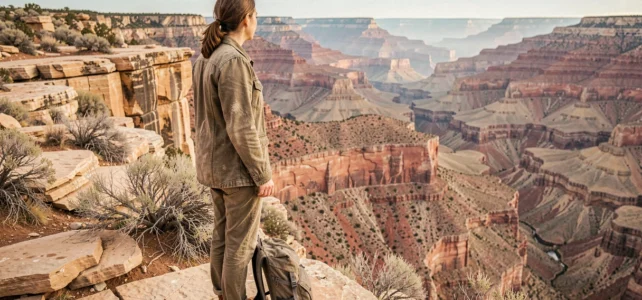
When preparing for an adventure trip, the first instinct is often to look for a spectacular destination. The real challenge begins afterward: choosing a travel format that holds up in the field, adapting the physical level to the group, and avoiding itineraries where you spend more time on a bus than outside.
Unique journeys around the world are not just a list of photogenic places. They are built around concrete constraints, choices of mobility, and a balance between discovery and effort.
Walking Adventure: Calibrating the Trek According to Your Real Level
People often overestimate their physical condition before a trek. An itinerary classified as “moderate” in Iceland or Peru can involve regular elevation changes on unstable terrain, with a pack weighing several kilos on your back. Before booking, one must ask a simple question: how many consecutive days of hiking with elevation can one endure without losing enjoyment?
For a first trek at altitude, a few-day circuits with accommodation in a hut allow you to test your limits without excessive commitment. Feedback varies on this point, but most regular hikers recommend at least three long outings in hilly terrain before setting off.
The landscapes traversed on foot, whether they are Icelandic volcanoes or Andean valleys, take on a whole new dimension when approached prepared. A successful trek relies on honest physical preparation, not on the difficulty of the chosen route. For those who want to go further in selecting suitable itineraries, you can discover Our Legendary Adventures and compare the levels offered before committing.
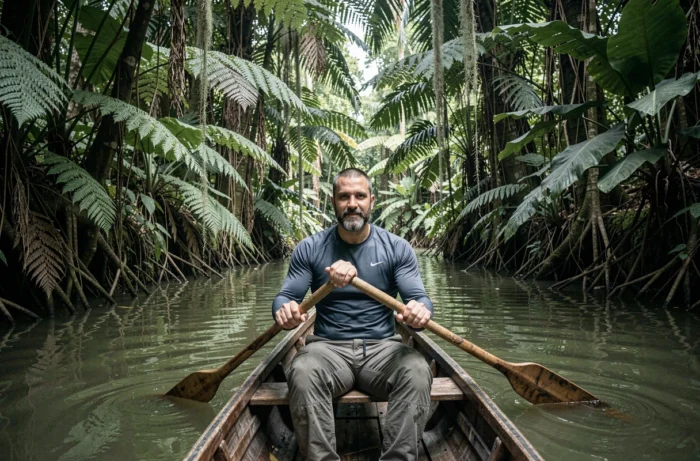
Safari and Nature Experiences: What the Terrain Really Imposes
A safari is not just about observing animals from a 4×4. The choice of country, season, and type of reserve radically changes the experience. In Tanzania or Kenya, the most visited national parks offer remarkable wildlife density, but also a density of vehicles that can be surprising.
Private or community reserves offer walking safaris, canoeing, or camping, with groups limited to a few people. This format requires a decent physical level and a tolerance for discomfort, but the proximity to wildlife is incomparable to a classic tour.
Concrete Criteria for Choosing Your Safari
- The group size: beyond six people in a vehicle, the observation conditions significantly deteriorate, especially for photography
- The season: the great migrations in East Africa concentrate over a few months, and shifting by two weeks can make the difference between an exceptional spectacle and empty plains
- The type of accommodation: a mobile camp set up near water points offers animal encounters at dawn, which a remote lodge does not
You don’t choose a safari from a catalog. You choose it based on what you are willing to accept as terrain conditions.
Slow Travel in Europe: The Trend That Changes the Game
According to the European Travel Commission, indicators of responsible travel in Europe are on the rise between 2024 and 2025. The increase is particularly marked for low-carbon transport modes: train, bicycle, electric mobility. This evolution reflects a shift towards slower travel, with more stops along the way and local experiences.
In practical terms, this means that more and more travelers are replacing flights to distant islands with a rail itinerary through several countries. An overnight train journey between Paris and Vienna, followed by a bike ride down the Danube, constitutes an adventure as memorable as an organized tour on the other side of the world.
What Slow Travel Changes in Practice
Slow travel requires a rethink of logistics. You don’t book everything in advance. You keep free days to divert to a village spotted along the way. The pace of travel becomes the experience itself, not just transit time between two attractions.
Families find a direct advantage: children cope better with a pace where each stop lasts two or three days than with a succession of flights and transfers. The landscapes pass by at a speed that allows for observation, not just photographing from a window seat.
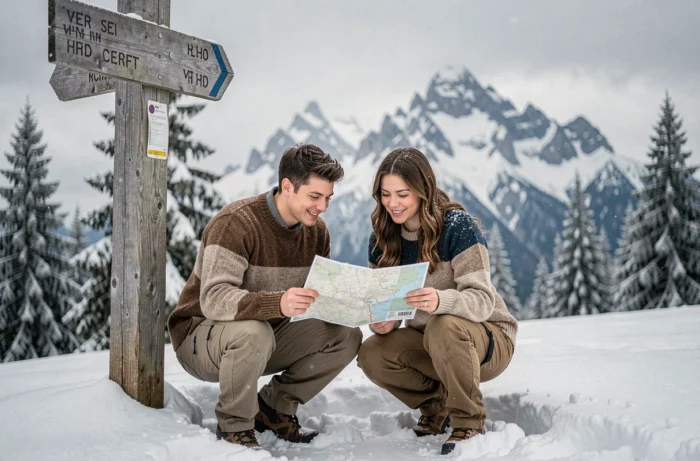
Adventure Destinations Off the Beaten Path: Where to Look
Circuits in Iceland, Peru, or Tanzania remain safe bets. For those wanting to step off the most documented routes, certain regions offer a balance between novelty and accessibility that deserves attention.
- Kyrgyzstan offers high-altitude treks with homestays in shepherds’ yurts, at a cost significantly lower than classic Central Asian destinations
- Colombia combines mountain trekking, isolated beaches on the Caribbean coast, and a rapidly expanding culinary scene, all in a country where tourism infrastructure is progressing quickly
- Jordan offers much more than Petra: the canyons of Wadi Rum can be explored on foot or on camelback, with desert camps accessible to all levels
Choosing a less frequented destination reduces wait times and increases local interactions. You won’t encounter the same travelers in Kyrgyzstan as in Thailand, and the exchanges reflect that.
A unique journey does not depend on the rarity of the destination. It depends on how you engage with it: the level of effort you accept, the time you allow for each stage, and the space you leave for the unexpected in your itinerary.