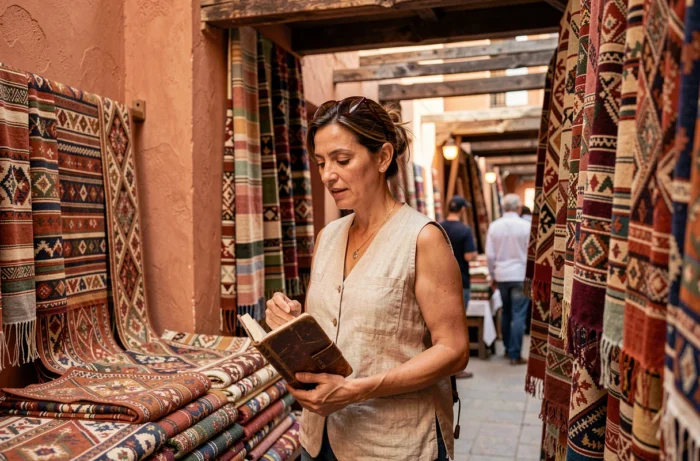
The themed travel market has changed its face in recent years. The ideal trip is defined first by the level of relaxation, the fluidity of the journey, and personalization, not by the destination itself. Choosing a themed trip is no longer about checking places on a map, but about identifying the type of experience that matches a personal pace.
Slow travel and solo stays: what demand reveals about theme selection
Slow travel appeals to a growing share of European travelers, while solo trips are significantly increasing in Germany, Sweden, and France. These two trends are not anecdotal: they reshape the criteria for selecting a themed trip.
An intensive tour of ten cities in twelve days does not meet this demand. Travelers who choose a theme are now looking for slower itineraries focused on personal experiences. A trip centered around volcanic hiking in Iceland or a week of culinary immersion in the Peloponnese illustrate this shift.
By browsing the trips on Voyages Thématiques, one can gauge the diversity of options that respond to this logic: nature tours, wellness stays, cultural discoveries tailored to a human pace.
The solo traveler, in particular, needs a clear thematic framework. Traveling alone without a guiding theme can quickly turn into logistical wandering. A theme (wildlife photography, wine tourism, high-altitude trekking) structures the stay, facilitates encounters with other enthusiasts, and reduces time lost in daily organization.
Concrete criteria for choosing a suitable themed trip
There is no shortage of destination lists online. Three axes allow for effective filtering of available offers.
The balance between activity and recovery
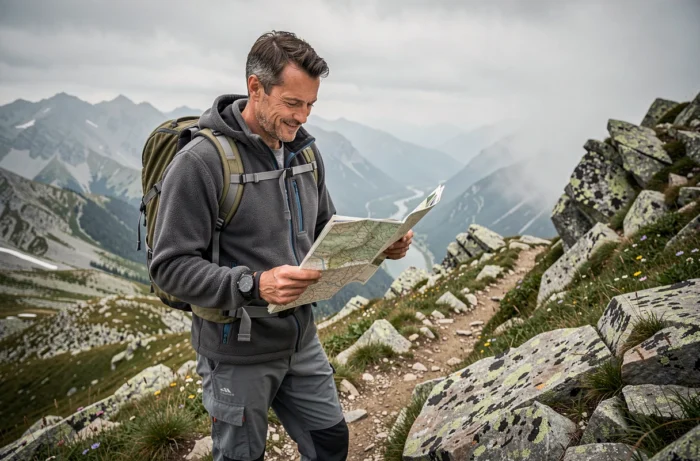
A themed trip centered around trekking in Nepal and a spa stay in Scandinavia do not require the same physical condition or mindset. The first criterion for choice is the desired effort/rest ratio. A traveler coming out of a period of intense work seeking a moment of serenity will gain no benefit from a long-distance hiking circuit, even if the scenery is spectacular.
The depth of local immersion
Some themes remain superficial (classic guided tours with quick movements), while others dive into the local fabric. Geotourism, for example, is identified as a rapidly growing market by 2032 according to a 2026 report on the global market. This type of trip, focused on landscapes, geological heritage, and ecosystems, offers an immersion that classic tourist circuits do not allow.
A good themed trip provides access to places or practices that are inaccessible to the standard tourist: workshop with a craftsman, day with a transhumant shepherd, small group navigation in an unfrequented archipelago.
The flexibility of the itinerary
The fluidity of the journey is as important as the content of the program. A themed trip that is too rigid, with fixed schedules and no room for improvisation, contradicts the personalization logic sought by the majority of current travelers.
- Check if the program includes free days or flexible options (optional excursion, rest day, choice between two activities)
- Examine the group size: beyond about fifteen participants, personalization becomes theoretical
- Ensure that the provider offers a reachable local contact, not just a centralized remote contact
Geotourism and coolcation: two emerging themes to consider
Geotourism is not limited to volcanoes and canyons. It encompasses the discovery of rock formations, natural parks, caves, and coastlines shaped by erosion. This niche attracts travelers seeking landscapes and scientific learning, not just athletes.
The coolcation, another trend noted in the summer of 2026, involves choosing a destination for its cool climate. This logic can be combined with a theme: high-altitude hiking in the Pyrenees, exploring the Norwegian fjords, naturalist stay in Scotland.
Some travelers see coolcation as a mere fashion effect linked to heatwaves, while others view it as a sustainable selection criterion. The climate of the destination becomes a filter for choice on par with budget or duration.
Points to check before booking a themed trip
Brochures highlight landscapes and key activities. A few points deserve closer attention before booking.
- The actual level of physical difficulty: a trek “accessible to all” may involve six hours of daily walking with elevation gain. Ask for the altitude profile or daily mileage
- Non-included costs: park entry fees, meals outside of full board, internal transfers, guide tips. On some circuits, these extras represent a significant part of the total budget
- The cancellation policy in case of weather conditions or group understaffing: some operators cancel if the minimum participant threshold is not reached, sometimes a few weeks before departure
- Concrete environmental commitments: a verifiable label or charter is better than a promise of responsible tourism on a marketing page
The themed trip remains a greater investment in time and money than a classic beach stay. Selecting the right theme relies less on visual inspiration and more on a cold analysis of one’s own expectations, physical condition, and tolerance for the unexpected.