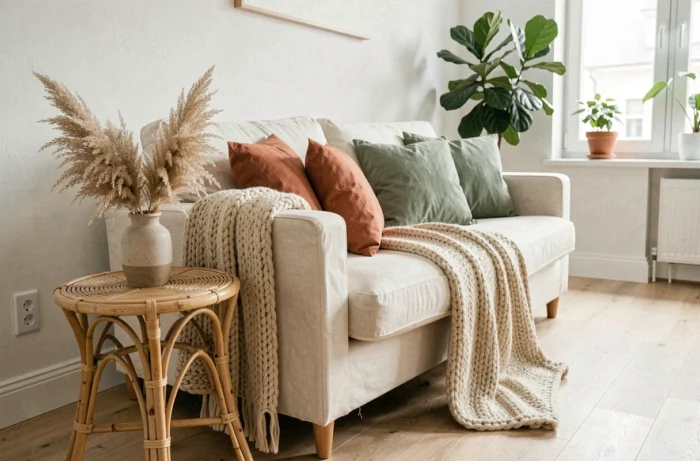
Interior decoration refers to all the choices of materials, colors, furniture, and objects that shape the atmosphere of a living space. Enhancing a home does not necessarily require major renovations: a few targeted interventions on materials, shades, or lighting are enough to transform the perception of a room.
Smoked glass, polished chrome, and dark wood: materials that change an interior
Popular decor guides often focus on light wood and natural materials. Recent trends expand the palette with less expected materials that can radically alter the ambiance of a living room or kitchen without replacing everything.
Smoked glass provides immediate visual depth. Placed on a coffee table, a shelf, or a light fixture, it creates a filtering effect that softens the light and adds character to a neutral room. A single piece of smoked glass can serve as a focal point in an overly uniform space.
Polished chrome operates on the same principle, but with a more graphic finish. It can be found on chair legs, floor lamp structures, or furniture handles. When paired with soft textiles (linen, corduroy), it avoids a cold effect and brings a contrast of textures that enriches the decor without overwhelming it.
Dark wood, on the other hand, breaks away from the dominant Scandinavian trend. When combined with natural stone or stainless steel, it steers the style towards something more sophisticated. A few pieces are enough: a dark walnut TV stand, a tinted oak mirror frame.
The idea is not to darken everything but to introduce accents that visually anchor the space. Several references in materials and decor objects are available on ego-deco.fr, allowing for comparisons of finishes before making a decision.
Dopamine Decor and bright colors: daring strong personalization
In recent years, a movement called Dopamine Decor has emerged in response to neutral and minimalist palettes. The principle: choose bright colors, cheerful patterns, and playful objects to provoke a positive emotional reaction in one’s own interior.
This style does not require repainting the entire house. An accent wall in mustard yellow in a hallway, coral cushions in a beige living room, geometric patterned wallpaper behind a headboard: each intervention remains localized, but the impact on the overall ambiance is significant.
Combining bright colors and natural materials
The trap of Dopamine Decor would be to fall into disordered accumulation. For colors to work, they need a base of calm materials that anchor them:
- Rattan or bamboo on a chair or light fixture tempers the energy of a colorful wall and adds an organic texture.
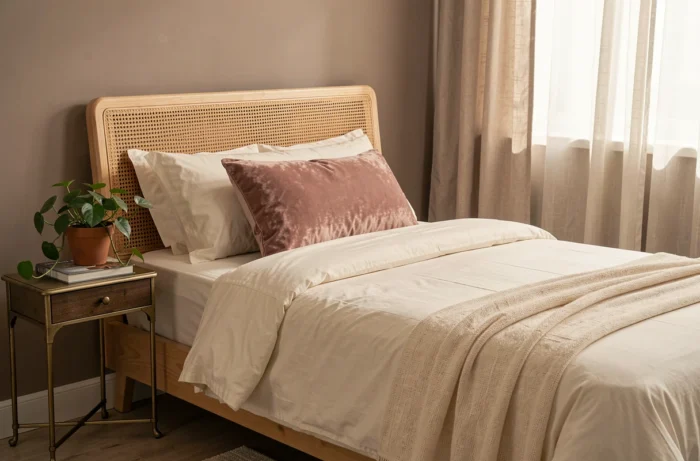
- Raw linen on curtains or a sofa throw absorbs light instead of reflecting it, which avoids visual saturation.
- Terracotta (pots, vases, tiles) brings a warm tone that links bright shades with the neutral elements of the floor or walls.
One or two well-placed color accents transform more than an entirely repainted room. The contrast between a sober base and vibrant touches creates a clear visual reading, where the eye knows where to land.
Urban Maximalism: layering textures in the living room and living spaces
Urban Maximalism takes the logic of personalization even further. This style is based on the layering of textures, objects, and memories to create an interior that tells a story. Unlike disordered maximalism, it follows a precise visual grammar.
How to layer without cluttering
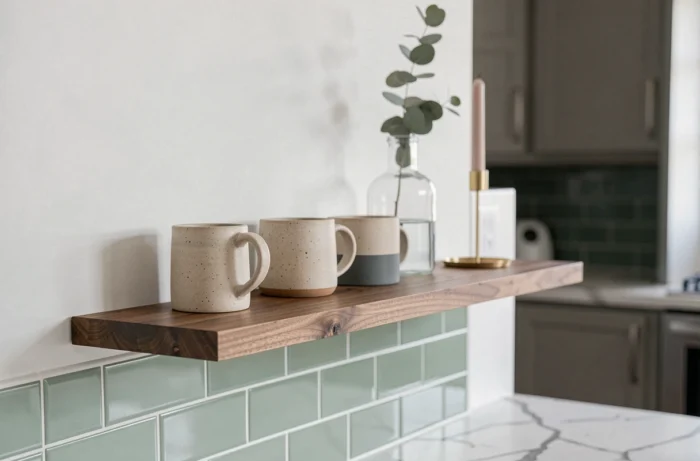
The basic rule is to vary heights and materials on the same plane. On a shelf, for example: a book laid flat, a ceramic vase, a metallic object, and a plant. Each element occupies a different level and reflects light in a distinct way.
On the floor, the principle also applies. A woven rug under a smaller patterned rug creates a depth that minimalism forbids. In a living room, this layering of textile layers on the floor, on the sofa, and at the windows gives a sense of enveloping that changes the perception of the room.
Contemporary design now mixes Japandi and maximalist touches without contradiction. A low light wood piece inspired by Japanese design can perfectly coexist with a gallery wall filled with mismatched frames, as long as the color palette remains consistent.
Wallpaper and flooring: two often underestimated decoration levers
Changing the covering of a single wall or the floor of a room produces a disproportionate effect relative to the effort. Wallpaper, long associated with dated interiors, is making a comeback with textures and patterns that have nothing to do with the references of previous decades.
Textured wallpapers (ripple effect, plant fiber, plaster imitation) work particularly well in transitional spaces: entryways, hallways, restrooms. They add a tactile dimension that paint alone cannot provide.
On the flooring side, soft coverings that mimic wood or stone allow for transforming a kitchen or living room without engaging in heavy renovations. A well-chosen floor redefines the identity of a room more surely than a change of furniture.
- In a living room, vinyl flooring that mimics dark oak instantly warms the atmosphere and aligns with current dark wood trends.
- In a kitchen, large-format tiles in a mineral tone visually unify the space and simplify maintenance.
- In a bedroom, engineered wood flooring provides an acoustic and visual warmth that carpet once offered, without the maintenance drawbacks.
The choice of flooring also conditions the perception of wall colors and furniture. A light floor enlarges, a dark floor anchors. Starting from the floor to build the rest of the decor avoids coherence errors that are later corrected at great expense.
The current trend in interior decoration values contrasts in materials and bold choices over uniformity. Three or four well-thought-out modifications (an unexpected material, a bold color, a reimagined floor covering) are enough to durably transform the perception of an entire home.